 Peru
Millions of Peruvians head to the polls for regional and municipal elections

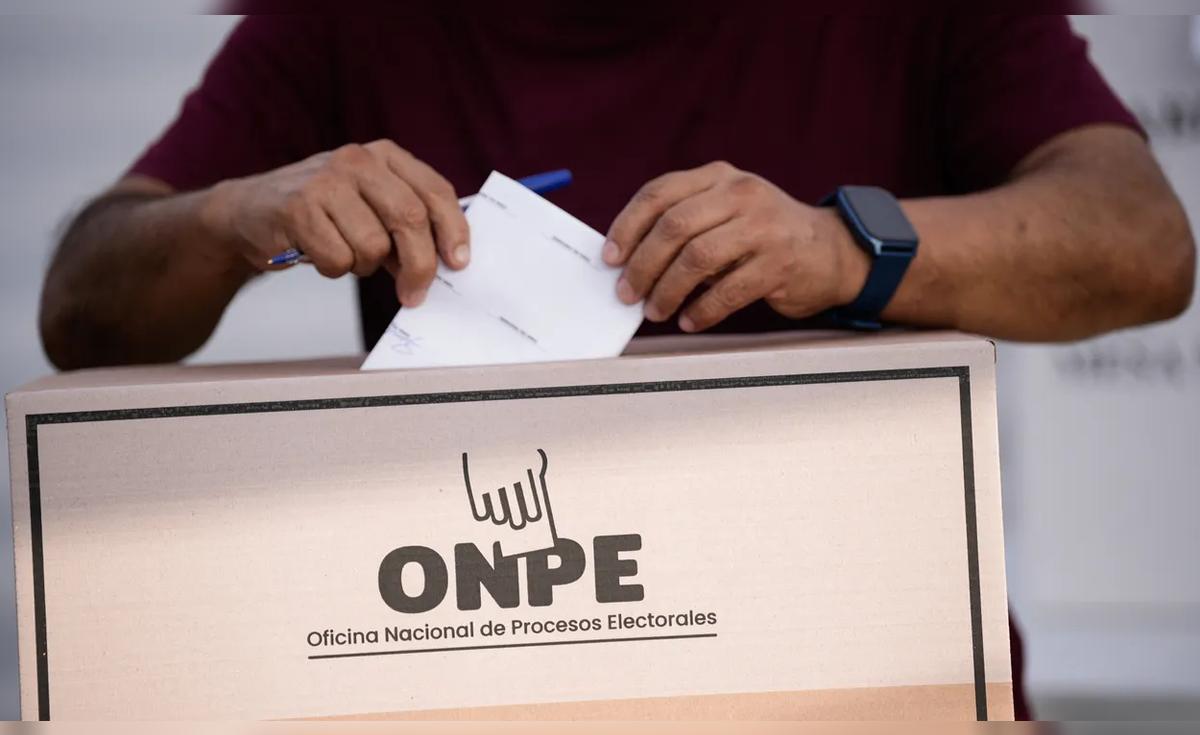
Peru’s regional and municipal elections commenced nationwide on October 4, as more than 26 million citizens headed to the polls to elect 13,148 authorities for the 2027–2030 term. The balloting process, which defines the leadership of local governments across the country, is a significant administrative milestone, following a year of intense political activity that included the registration of 36 presidential tickets for the general elections held earlier in April.
Polling stations were scheduled to operate from 7:00 a.m. to 5:00 p.m. Throughout the day, the Comptroller’s Office monitored the process, deploying more than 1,300 professionals across 720 voting centers. Despite the scale of the mobilization, officials reported logistical difficulties early in the day, noting that some polling locations faced delays in the installation of voting tables.
Security remained a primary concern for electoral authorities. In the district of Sorochuco, located in the Cajamarca region, voting was suspended at a local school following the detonation of explosives and an ensuing fire. Authorities confirmed that there were no injuries and that the incident caused no damage to the electoral material, though the interruption marked a disruption in an otherwise standard electoral rollout.
These elections represent a critical moment for local governance, similar to the nationwide regional and municipal processes observed in previous years. The scale of the administrative task mirrors the complexities seen elsewhere in the region; for instance, Paraguay held its own municipal elections on the same day, with 5 million voters selecting mayors and council members across 263 districts.
The infrastructure for this election follows a broader effort by the National Jury of Elections (JNE) and the Foreign Ministry to manage high-participation events. Earlier this year, the government authorized 114 consulates abroad to organize voting for the April presidential contests, and established more than 2,500 polling stations worldwide to accommodate Peruvian citizens living internationally.
While the current election proceeded across the country, the government has remained on alert regarding environmental challenges. Earlier in 2026, the state declared a emergency in 382 districts across 20 regions to facilitate the mobilization of resources and mitigate damage from heavy rains and associated hazards, a factor that continues to influence the logistical environment in which local authorities operate.
As voting concludes, the focus shifts to the counting process. Local observers and electoral bodies are managing the transition of authority, which will see the newly elected officials take office in January 2027 to manage municipal and regional policy for the following four-year term. The results from these districts will serve as a definitive indicator of the political landscape in the lead-up to the next cycle of national governance.
Sources
- https://andina.pe/ingles/noticia-peru-regional-and-municipal-elections-take-place-nationwide-today-1094466.aspx
- https://canaln.pe/actualidad/elecciones-regionales-y-municipales-2026-inicio-jornada-electoral-n495437
- https://www.tvperu.gob.pe/noticias/politica/en-vivo-elecciones-regionales-y-municipales-2026-sigue-la-cobertura-completa-hoy-4-de-octubre
- https://elperuano.pe/noticia/306077-erm-2026-presidente-del-jne-llama-a-electores-a-votar-con-tranquilidad