 São Tomé and Príncipe
MLSTP–PSD wins most seats in São Tomé and Príncipe parliamentary election

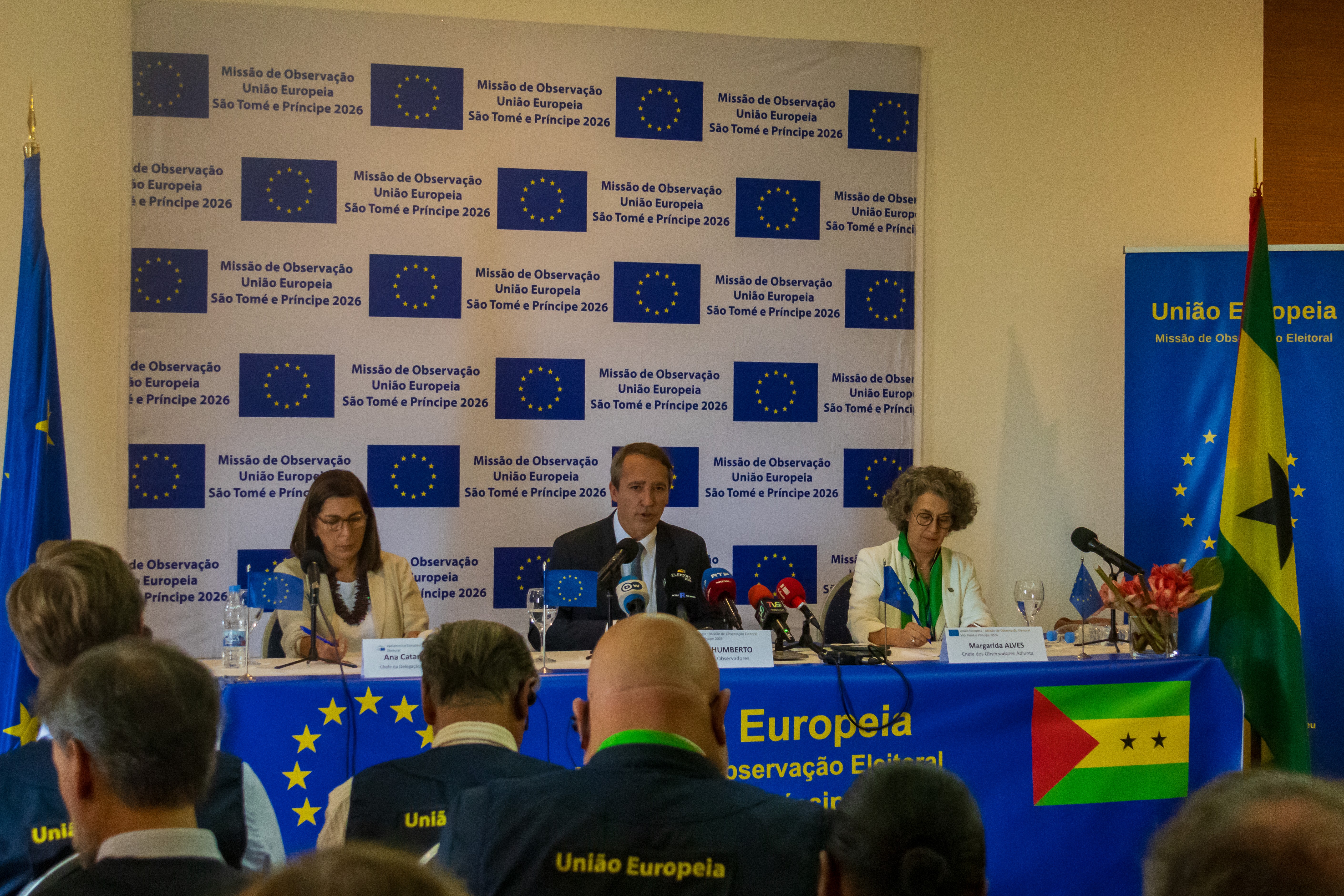
The general elections held on September 27 in São Tomé and Príncipe have concluded with the MLSTP–PSD securing the largest share of parliamentary seats, setting the stage for complex negotiations to form a new government. According to provisional results from the National Electoral Commission, the MLSTP–PSD won 24 seats, while the ADI followed closely with 23. The MCI–PS/PUN coalition secured the remaining six seats in the 55-member parliament.
The narrow margin of victory—a difference of just 561 votes between the two largest parties—underscores the competitive nature of this electoral cycle. While the campaign period was widely noted for its civility and orderly conduct, a sentiment of maturity that resonated beyond the islands, the post-election landscape is now defined by the arithmetic of coalition building. The MLSTP–PSD will require partners to command a stable majority, a process that follows months of heightened political maneuvering, including party efforts earlier this year to define presidential support and legislative strategies.
Beyond the immediate mechanics of government formation, the election has brought the question of the judiciary to the forefront of national discourse. The European Union’s election observation mission reported that throughout the electoral cycle, concerns regarding the perceived politicization of the justice system were raised across the political spectrum. This discourse reflects a broader institutional focus within the region, where debates over judicial independence and anti-corruption strategies have become central to national agendas, much like the legislative efforts seen in other Atlantic archipelagos such as Cabo Verde.
For the citizens of São Tomé and Príncipe, the transition period carries significant weight regarding future governance and the management of public policy. Economic considerations, including the sustainability of public debt and the equitable distribution of resources across generations, remain critical benchmarks for the incoming administration. As outlined in local academic and policy analyses, these fiscal challenges are intrinsic to the country’s position as a Small Island Developing State.
The contrast between the calm campaign environment and the underlying tensions regarding judicial processes highlights the dual reality of the post-election atmosphere. While political leaders have been praised for the lack of hostility during the voting process, the task of establishing a government that addresses both the mandate of the polls and the institutional anxieties regarding the courts remains the primary challenge. With the election results now confirmed, the focus shifts to whether the necessary parliamentary alliances can be secured to provide the stability required to navigate the country’s economic and legal priorities in the coming years.