 Latvia
Nearly two-thirds of Latvian parliament members will be replaced following latest elections

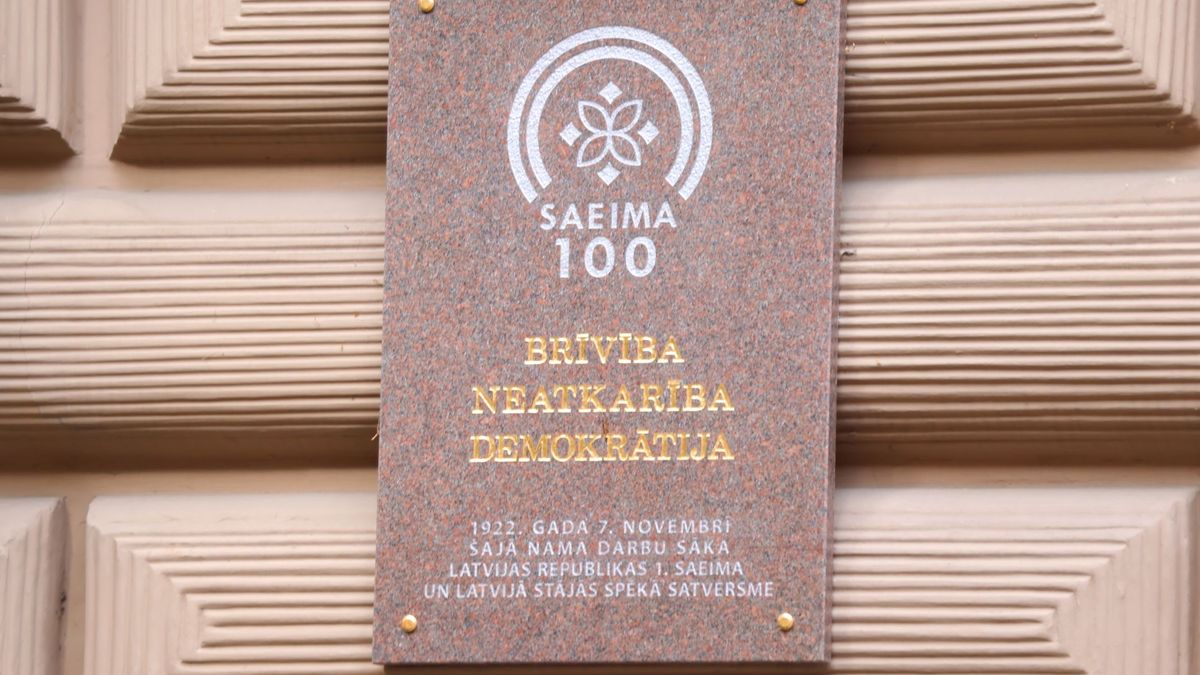
RIGA — Latvia’s parliament, the Saeima, is set for a major institutional turnover following the 15th parliamentary elections, with preliminary results indicating that nearly two-thirds of the 100-seat legislature will be composed of new members.
This high rate of staff turnover reflects a recurring pattern in Latvian politics. Similar to the transition witnessed in the 14th Saeima, reports from regional outlets like Dzirkstele and business news source Dienas bizness confirm that more than 60 deputies will be entering parliament for the first time. While final tallies are subject to minor adjustments, the projected shift signals a significant reconfiguration of the country’s political personnel.
The election saw the "Apvienotais saraksts" (United List) emerge with a clear victory. Despite their strong electoral performance, the party was not immune to the volatility of the voter base, as candidates from their lists also appeared among the most "voted-out" individuals—those who faced the highest number of deletions by voters using the ballot’s plus-and-minus system.
Under Latvia’s proportional representation system, voters have the ability to express specific preferences for individual candidates on the party lists they select. This process resulted in notable individual support for Andris Kulbergs of the United List, Jūlija Stepaņenko representing the SV/AJ coalition, and Ainārs Šlesers of the Latvia First (LPV) party. Data released by the Central Election Commission highlights that these individuals received the highest number of preferential votes, even as the broader parliamentary assembly prepares for a profound demographic shift.
For observers of Latvian domestic politics, this trend of replacing two-thirds of the legislature highlights a persistent public appetite for fresh faces in the halls of the Saeima. While the systemic churn complicates long-term policy continuity, it remains a hallmark of the country’s electoral landscape, where established parties often struggle to maintain their specific delegations against a backdrop of voter-driven personnel changes.
The focus in Riga now shifts to the inevitable coalition building process. Given the number of incoming deputies, party leaders are expected to navigate a complex environment of shifting alliances and newly elected figures who bring different, and often untested, political agendas to the legislative floor.
While the election outcomes have been met with clear regional reporting, the broader implications for the government’s stability remain to be seen as the new parliament prepares to convene. For the electorate, the immediate challenge lies in how these new members will translate their mandates into the day-to-day governing of the nation, a task that often proves more demanding than the campaign itself.