The real situation with Pakistann Taliban intensities – Oped
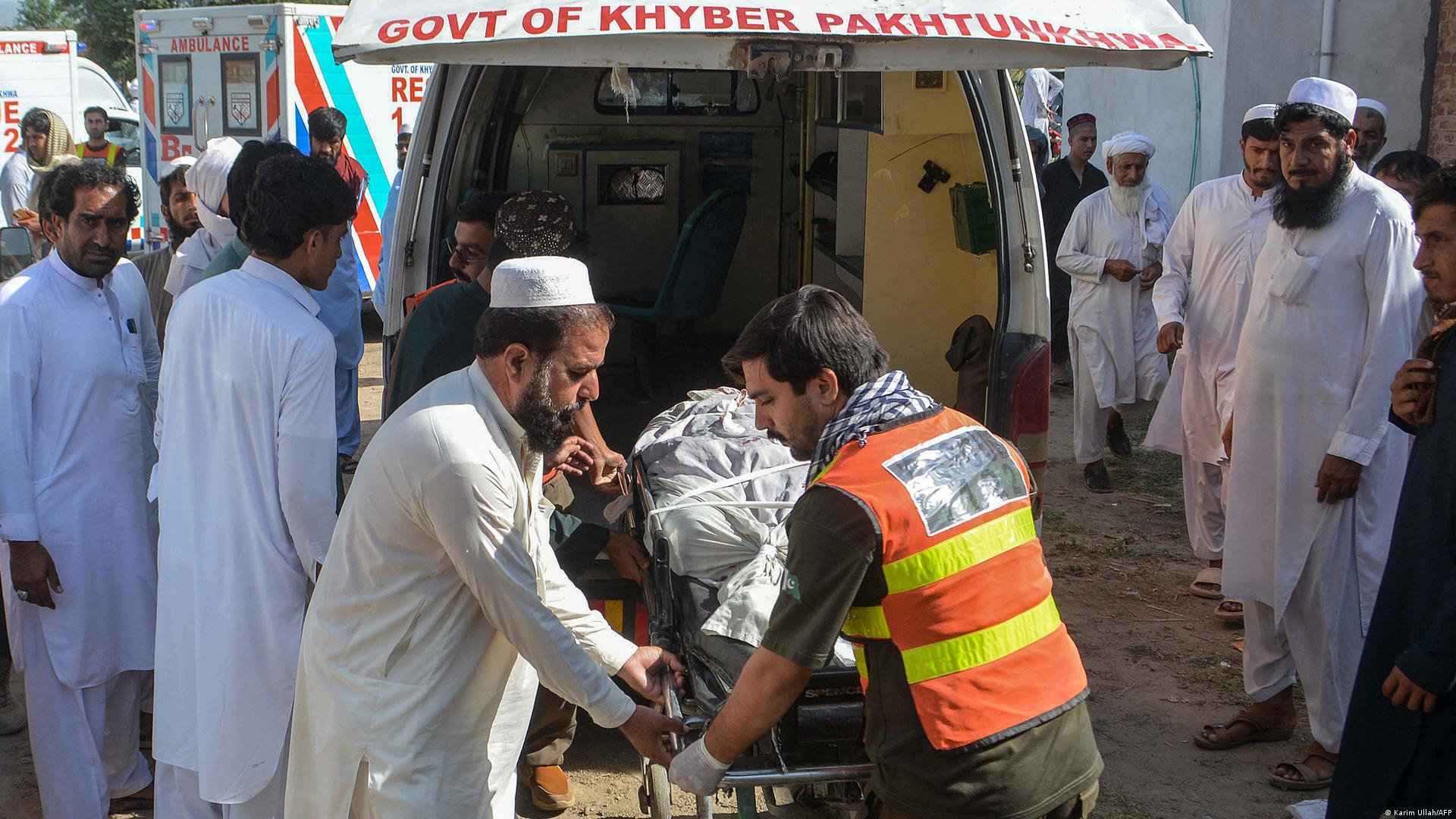
The resurgence of the Tehrik-i-Taliban Pakistan has ignited a severe security and diplomatic crisis between Islamabad and Kabul, escalating cross-border violence and forcing an urgent reckoning over counterterrorism responsibilities in South Asia. Over the past two years, a sharp rise in militant attacks across Pakistan’s northwestern provinces has strained bilateral relations and exposed the fragility of regional security architectures established after the 2021 American withdrawal.
This friction is rooted in the history of the Afghan-Pakistani borderlands, which have long operated as both a sanctuary and a battleground for asymmetric warfare. Shaped by the Soviet withdrawal, the post-2001 counterinsurgency campaign, and successive phases of regional proxy engagement, the region’s instability is compounded by the Durand Line. Demarcated in 1893 but never formally recognized by successive Afghan administrations, the boundary has historically complicated state sovereignty, border management, and joint security operations across fragmented tribal territories.