 Sudan
Airstrike on World Food Programme trucks in South Kordofan kills one driver
 South Sudan

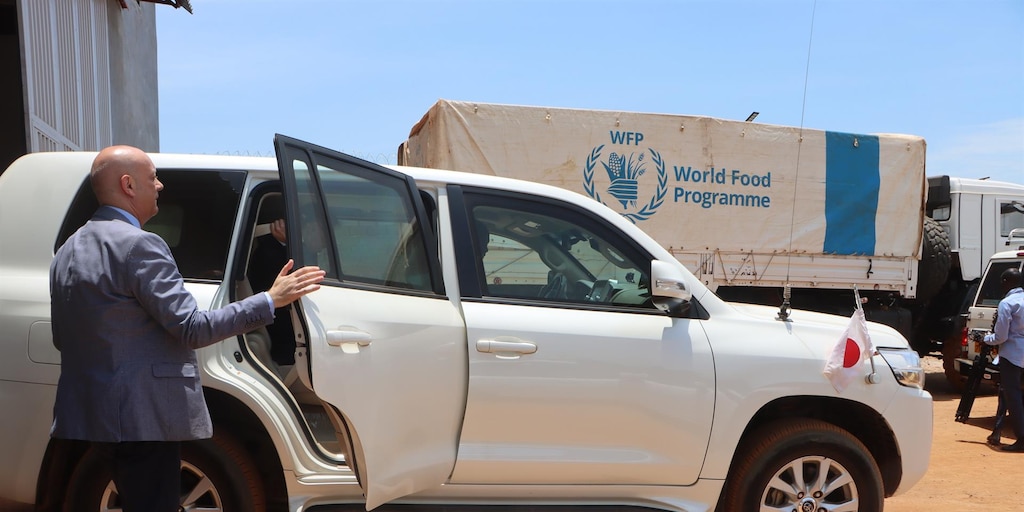
An aerial attack on two clearly marked World Food Programme (WFP) trucks in South Kordofan on October 3 has left one driver dead, marking a further escalation in the dangers facing humanitarian supply lines in the region. The trucks, which were contracted by the WFP, were traveling along the route from Dilling to Kadugli carrying essential food commodities when they were struck.
The WFP has called for a prompt and impartial investigation into the incident. The agency noted that it is currently assessing the extent of the damage to the food cargo. As of the latest reports, neither the Sudanese army nor the Rapid Support Forces (RSF) have claimed responsibility for the strike or provided comment on the incident.
This attack represents the ninth time this year that the agency’s operations in Sudan have been targeted. The violence in the area has been consistent and multifaceted; just one day before the airstrike, a WFP truck struck an explosive device in Dilling immediately after delivering life-saving food assistance.
Reporting across regional media outlets has emphasized the pattern of violence surrounding aid efforts. The Sudan Tribune, in its coverage from South Sudan, highlighted the strike as part of a mounting series of attacks on humanitarian operations that threaten to sever access to populations in need. Meanwhile, reports within Sudan have focused on the wider environment of aerial and drone strikes currently affecting the region. This includes documented strikes on residential areas in Dilling, which have recently caused civilian casualties, as well as previous attacks on schools, mosques, and warehouses in the Kordofan states.
The vulnerability of aid convoys in South Kordofan is well-established by a recurring history of similar incidents. In early September, an air attack on two WFP trucks near Dilling destroyed more than 50 metric tons of food aid intended for Kadugli. Earlier in the year, in February, drone strikes hit aid convoys in the Kordofan region, resulting in multiple casualties among aid workers and the destruction of supplies. These incidents have contributed to the severe disruption of humanitarian access, forcing a suspension of critical deliveries and deepening the risks for both aid personnel and the populations dependent on this assistance.
The environment in the Kordofan states has become increasingly precarious, with the escalation of aerial and drone warfare significantly hindering the movement of goods. Recent months have seen a surge in violence that has caused massive displacement, with the humanitarian impact compounded by the recurring destruction of food supplies meant for civilians facing severe shortages. The WFP’s condemnation of the October 3 attack underscores the growing difficulty of maintaining delivery routes in a region where even clearly marked humanitarian transport has become a routine target for military actors.