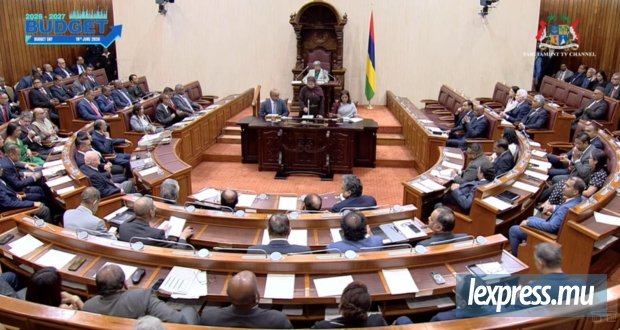
Les parlementaires mauriciens ne percevront plus de pension après deux mandats
The Mauritian government’s decision to cap parliamentary pensions at two legislative terms will immediately redirect an estimated $4.2 million annually away from long-term sovereign liabilities and into active fiscal operations under the 2026–2027 budget. By eliminating a legacy entitlement that previously compounded regardless of tenure length, Port Louis is fundamentally restructuring the compensation architecture for public sector leadership. This targeted containment strategy trims long-term expenditure forecasts for the Ministry of Finance, lowers contingent liabilities, and preserves Treasury liquidity for near-term economic development initiatives. Consequently, the financial calculus for both sitting lawmakers and prospective candidates is permanently altered, shifting the profession from a lifelong entitlement to a fixed-tenure engagement.
This policy recalibration reflects a broader industry shift away from traditional, state-heavy economic planning toward a leaner governance framework that increasingly aligns with private-sector employment standards. Originally instituted in the post-1968 independence era, the island’s parliamentary pension system was designed to attract and retain legal and administrative talent when private-sector career safety nets were scarce. For decades, these guarantees functioned as critical retention tools during Mauritius’s structural pivot from a plantation-based economy to a diversified, services-driven market. However, recent actuarial assessments indicate that unchecked benefit accruals are now threatening to outpace civil service revenue growth, necessitating a structural modernization that treats legislative service as a time-bound professional contract rather than a permanent state vocation.