Jigmeling wildlife centre undergoes major expansion
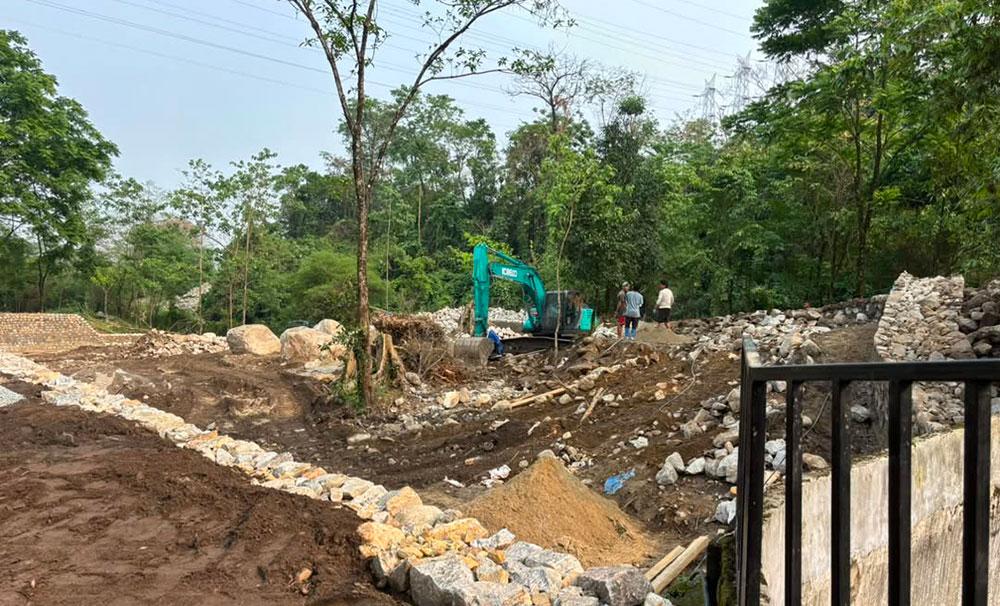
The first light of dawn filters through the dense chir pine canopy as Pema Dorji kneels in the damp earth of a recovery pen, her hands steady as she prepares a herbal compress for a juvenile Himalayan black bear. The bear’s breathing is shallow but even, a fragile rhythm in the cool morning air that carries the faint scent of pine resin and damp soil. For Dorji and a small team of keepers, this quiet ritual has defined their days for years, but today, the familiar routine feels different. Around them, heavy machinery rests beside newly poured concrete footings, and the skeletal frames of expanded enclosures rise against the ridge. The Jigmeling Wildlife Centre, long a sanctuary for injured and orphaned creatures of Bhutan’s eastern highlands, is undergoing its most significant transformation since opening its gates.
The expansion, first outlined in reporting by Kuensel, will nearly double the facility’s rehabilitation capacity, introducing climate-controlled veterinary wards, dedicated quarantine zones, and native-plant enrichment areas designed to replicate natural foraging environments. Staff and local volunteers have spent months cataloging past rescue cases, tracking recovery timelines and mortality rates to ensure the new layout directly addresses historical gaps in care. “Every scarred animal we’ve treated taught us what we were missing,” Dorji says, wiping dirt from her palms. “Now we can stabilize them properly before they’re ready to face the wild again.”