Powerful Earthquake Rocks South Pacific Ocean Near Fiji
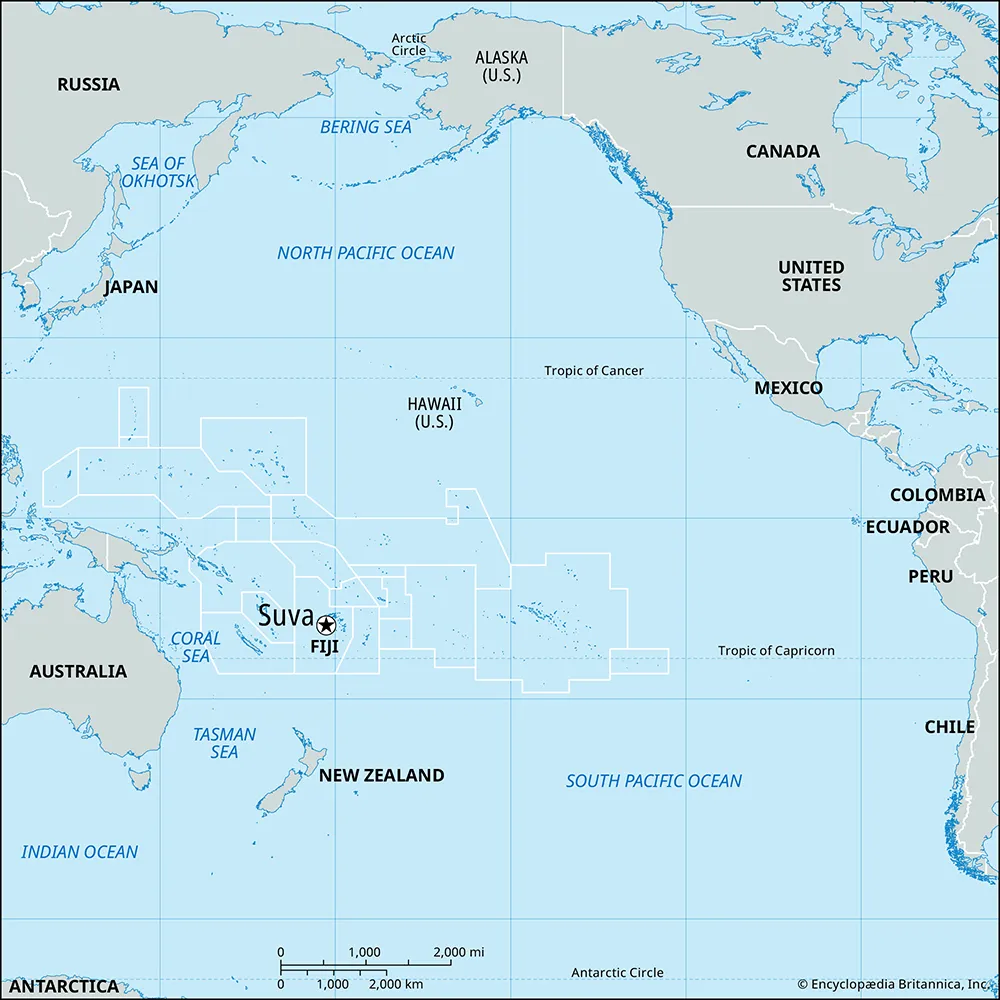
Fiji hit by recent earthquake, highlighting region's seismic vulnerability
The South Pacific Ocean has long been a hotspot for seismic activity, with the region's unique geology making it prone to powerful earthquakes and tsunamis. A magnitude 4.4 earthquake struck the ocean near Fiji, sending shockwaves through the region as tremors subsided.
Fiji, an island nation that depends heavily on tourism and fishing industries, is particularly vulnerable to the impacts of such events. The country's colonial past has left a lasting legacy, influencing its relationships with other Pacific Island nations and the broader international community. Today, Fiji is one of the youngest democracies in the region, having transitioned to independence from British colonial rule in 1970.
However, the country still faces significant development challenges, including poverty, inequality, and a reliance on foreign aid. As Fiji navigates its complex relationships with major world powers and regional organizations, it must also contend with the increasing impacts of climate change, which are being felt across the region. Fiji's vulnerability to natural disasters is shaped by its historical context, as well as its current geopolitical situation.
The country's unique position in the Pacific Ring of Fire makes it prone to powerful earthquakes and tsunamis. Fiji's recent earthquake highlights the need for greater international cooperation on issues related to climate change and disaster risk reduction. The country has been exploring alternative sources of revenue and investment opportunities, including the development of its offshore wind energy sector.
This initiative could potentially generate up to $1 billion in annual revenue by 2030, but it will depend on various factors, including the development of new technologies and infrastructure. Fiji's relationships with other Pacific Island nations and regional organizations, such as the Pacific Islands Forum (PIF) and the Regional Economic Integration Strategy (REIS), are critical to its future development.
The recent earthquake serves as a stark reminder that Fiji's future will depend on its ability to adapt to an increasingly uncertain world. The country must continue to strengthen its disaster resilience capabilities, including improving early warning systems, enhancing community engagement, and increasing international cooperation on disaster risk reduction.
Fiji's situation reflects broader global trends towards greater recognition of the need for disaster resilience and management, regionalization and cooperation, and international cooperation on issues related to climate change. The country's vulnerability to natural disasters is not an isolated incident, but rather a symptom of these trends.
As we move forward, it is essential that countries work together to develop effective strategies for mitigating the impacts of these events. The recent earthquake highlights the importance of considering the geopolitical context in which Fiji operates. The country's interactions with major world powers, including China, Australia, and New Zealand, are crucial for its economic development and security.
The development of Fiji's offshore wind energy sector requires careful consideration of this context, as well as international cooperation on disaster risk reduction. In conclusion, Fiji's situation reflects broader global trends towards greater recognition of the need for disaster resilience and management, regionalization and cooperation, and international cooperation on issues related to climate change.