Malaysia Poised for 5% Economic Growth in 2026 as Anwar Ibrahim Forecasts Bold Projections
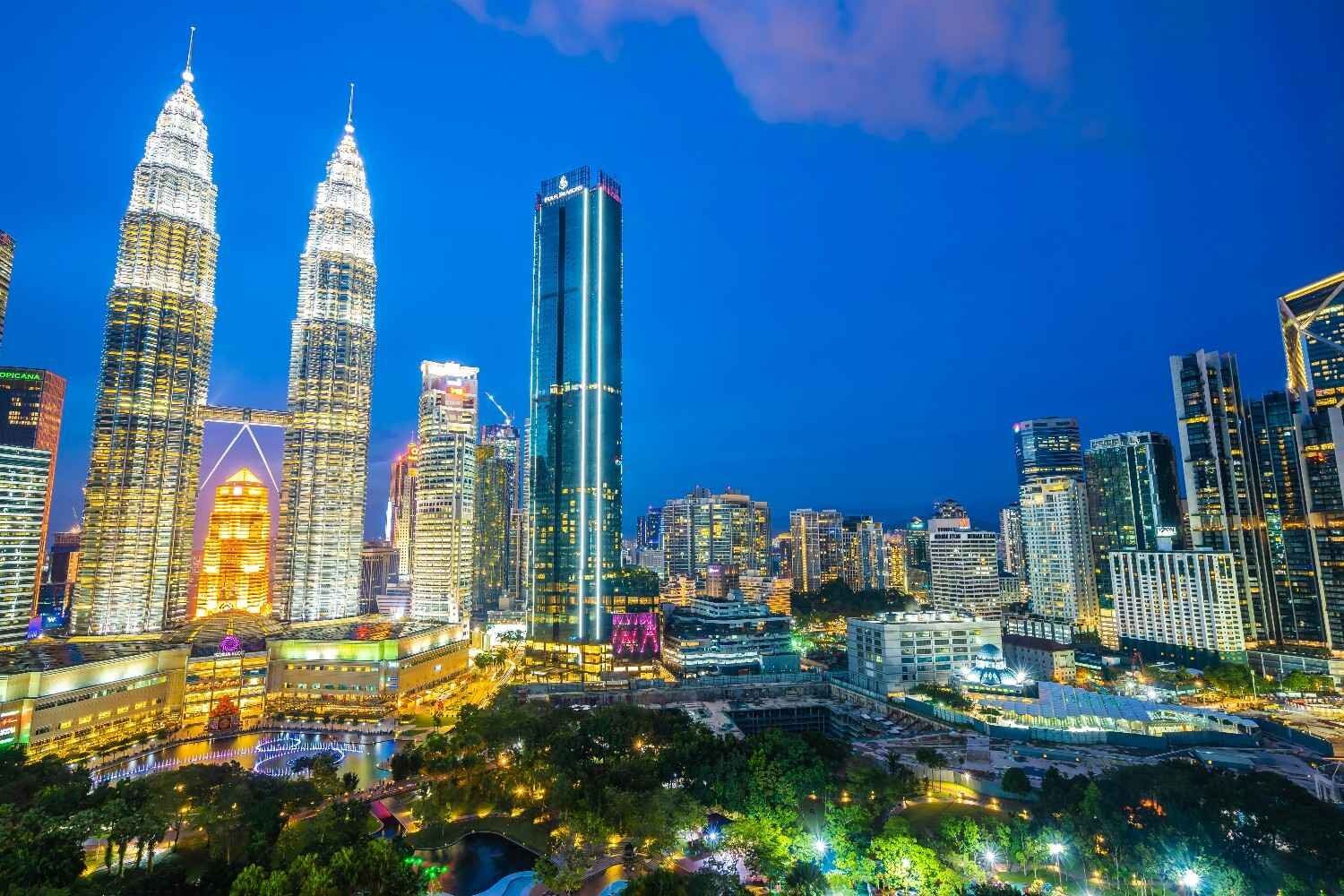
Malaysia Poised for 5% Economic Growth in 2026, Says Anwar Ibrahim
Malaysia is on track to outpace its regional peers with Prime Minister Anwar Ibrahim forecasting a 5% economic growth rate in 2026. The bold projection positions the country as a key player in Southeast Asia's emerging economic landscape.
The nation's strategic location at the crossroads of South East Asia, its membership in the ASEAN bloc, and historic ties to both China and India have cemented its status as a critical player in regional economic dynamics. Throughout its tumultuous history, Malaysia has faced numerous challenges - from colonial rule to post-independence struggles with racial tensions - that would test even the most resilient economies.
Under Anwar's leadership, Kuala Lumpur is poised for a new era of growth and prosperity. As part of his ambitious economic agenda, Anwar has emphasized the need to diversify Malaysia's economy away from its traditional reliance on export-led growth and towards more sustainable domestic demand-driven development. Supported by significant foreign investment, particularly from China, this shift could propel Malaysia forward in 2026 - potentially delivering the country's first 5% GDP growth since 2018.
The recent forecast of a 5% economic growth rate in 2026 by Anwar Ibrahim is a testament to Malaysia's resilience and determination to revitalize its economy. As part of his ambitious transformation plan, Anwar has unveiled an ambitious $400 billion economic blueprint aimed at diversifying the country's economy away from its traditional reliance on export-led growth. This shift towards domestic demand-driven development is expected to be bolstered by significant foreign investment, particularly from China.
Malaysia's increasing trade ties with China are a prime example of this trend. The country's comprehensive strategic partnership agreement signed in 2022 represents a significant step towards enhancing bilateral trade and investment ties. China has pledged to invest heavily in Malaysia's infrastructure, particularly in the energy and transportation sectors, driving growth and creating new opportunities for domestic businesses.
Anwar's government has also emphasized the need to strengthen ties with other ASEAN member states, including India, to create a more cohesive regional economic bloc. The country signed several memoranda of understanding (MOUs) with India aimed at promoting trade and investment in key sectors such as renewable energy and biotechnology. These partnerships are expected to not only boost Malaysia's economy but also contribute to the region's overall growth and prosperity.
In addition to these external developments, Anwar's government has taken steps to address domestic issues that have historically hindered Malaysia's economic progress. The National Digital Economic Policy (NDEP) launched in 2022 reflects this trend, aiming to create a more competitive and innovative economy by boosting digital capabilities across various sectors.
Malaysia's journey towards achieving 5% economic growth in 2026 is a testament to the country's resilience and determination to diversify its economy. With its strategic location, diverse economy, and growing regional partnerships, Malaysia is poised to make a significant impact in Southeast Asia's emerging economic landscape. The country's transformation plan aligns with the United Nations' Sustainable Development Goals (SDGs), promoting inclusive and sustainable growth.
As countries around the world invest heavily in digital infrastructure and talent development, they are better equipped to compete in a rapidly changing global economy. Malaysia's success will depend on its ability to navigate the complexities of an increasingly interconnected world while addressing domestic challenges and ensuring that its reliance on foreign investment does not pose any risks to its long-term sustainability.
Ultimately, Malaysia's future growth prospects will be shaped by regional dynamics in Southeast Asia. The ASEAN region is expected to continue promoting regional economic integration, which may serve as a model for other countries looking to strengthen their economic ties. With its unique blend of strategic location, diverse economy, and growing regional partnerships, Malaysia is well-positioned to make a significant impact in the region's emerging economic landscape.