Libya's Future Hangs in Balance as Mohammed Takala Elected Head of High Council of State
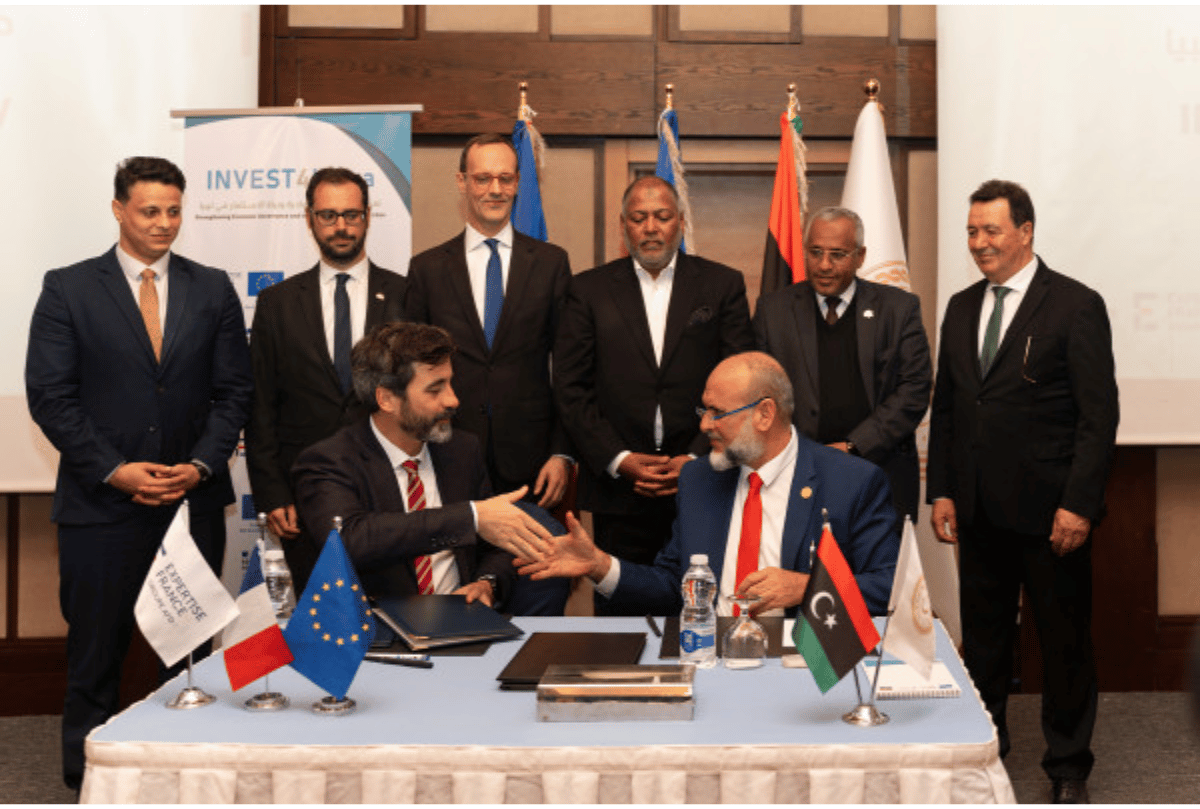
Mohammed Takala Elected Head of High Council of State Amid Tumultuous Libya
Libyan politicians have chosen Mohammed Takala as their new Head of the High Council of State (HCS), handing him a pivotal role in shaping the country's future amidst a tumultuous backdrop of regional rivalries and competing interests. The 59-0 margin of victory may seem overwhelming, but the implications of this election could be far-reaching – and fraught with peril.
Libya has long been at the crossroads of competing geopolitical interests, its strategic location at the intersection of Europe, Africa, and the Middle East making it a prized pawn in the game of global power politics. For over two years now, Libya has been embroiled in a brutal civil war that has left the nation in ruins, with factions vying for control of the government and resources.
The High Council of State (HCS), Libya's highest governing body, has been a key player in this struggle for power. Established in 2014 as part of a United Nations-brokered deal to end the conflict, the HCS was initially tasked with overseeing the transition to democracy. However, over time, it has become increasingly entrenched in partisan rivalries and regional divisions, effectively undermining its original purpose.
The election of Mohammed Takala marks a significant turning point in this struggle for power, as he is set to preside over a government that will be deeply influenced by the competing interests of regional powers like Egypt, Turkey, and Italy. According to a report by the International Crisis Group (ICG), the Libyan conflict has been characterized by extreme polarization between rival factions, with regional powers like Egypt seeking to exert their influence.
The role of regional powers in shaping Libya's governance is complex and multifaceted. Countries like Egypt have a significant stake in the country, driven by historical ties and geopolitical interests. Turkey, meanwhile, has its own agenda, including energy exploration and control over Libya's coastlines. The Turkish-backed Government of National Accord (GNA) has been a key player in the conflict, with Ankara providing military support and financial backing to various factions.
The United Nations-brokered agreement that established the HCS in 2014 was facilitated by countries like Egypt, Qatar, and Italy, highlighting the complex web of diplomatic relationships that underpin Libya's governance. However, over time, the HCS has become increasingly entrenched in partisan rivalries and regional divisions, effectively undermining its original purpose.
The election of Mohammed Takala has sent shockwaves through Libya's already precarious landscape. The 59-0 margin of victory may seem overwhelming, but it belies the complexities of the country's internal dynamics and external influences. As Libya navigates this new era in governance, it is essential to recognize both the local dynamics driving the Libyan conflict and its broader implications for global stability.
The Libyan crisis reflects a broader trend observed in various regions around the world, where regional conflicts can become increasingly entangled with global power struggles. The Syrian Civil War has seen external interference on a similar scale, with countries like Russia and Iran supporting opposing factions. Similarly, the conflict in Yemen has seen Saudi Arabia and the United Arab Emirates backing one faction, while Iran supports another.
The international community's efforts to address conflicts in fragile states have been met with limited success. The rise of regional powers like Turkey and Egypt has led to a significant shift in the global balance of power, with implications for global security and stability. Libya's situation serves as a warning about the dangers of external interference in internal conflicts.
Looking ahead, the future of Libya will be shaped by a range of factors, including the leadership of Mohammed Takala and the response of regional powers to his election. Will he be able to navigate the complex landscape of internal conflicts and external influences, or will his leadership prove to be a unifying force or perpetuate the cycle of violence that has plagued Libya for decades? Ultimately, the future of Libya depends on a range of factors, including the leadership of Mohammed Takala, the response of regional powers, and the ability of the international community to support sustainable peace and stability in the region.