Israeli Forces Capture Prominent Sunni Islamist Official and Hamas Ally in Southern Lebanon
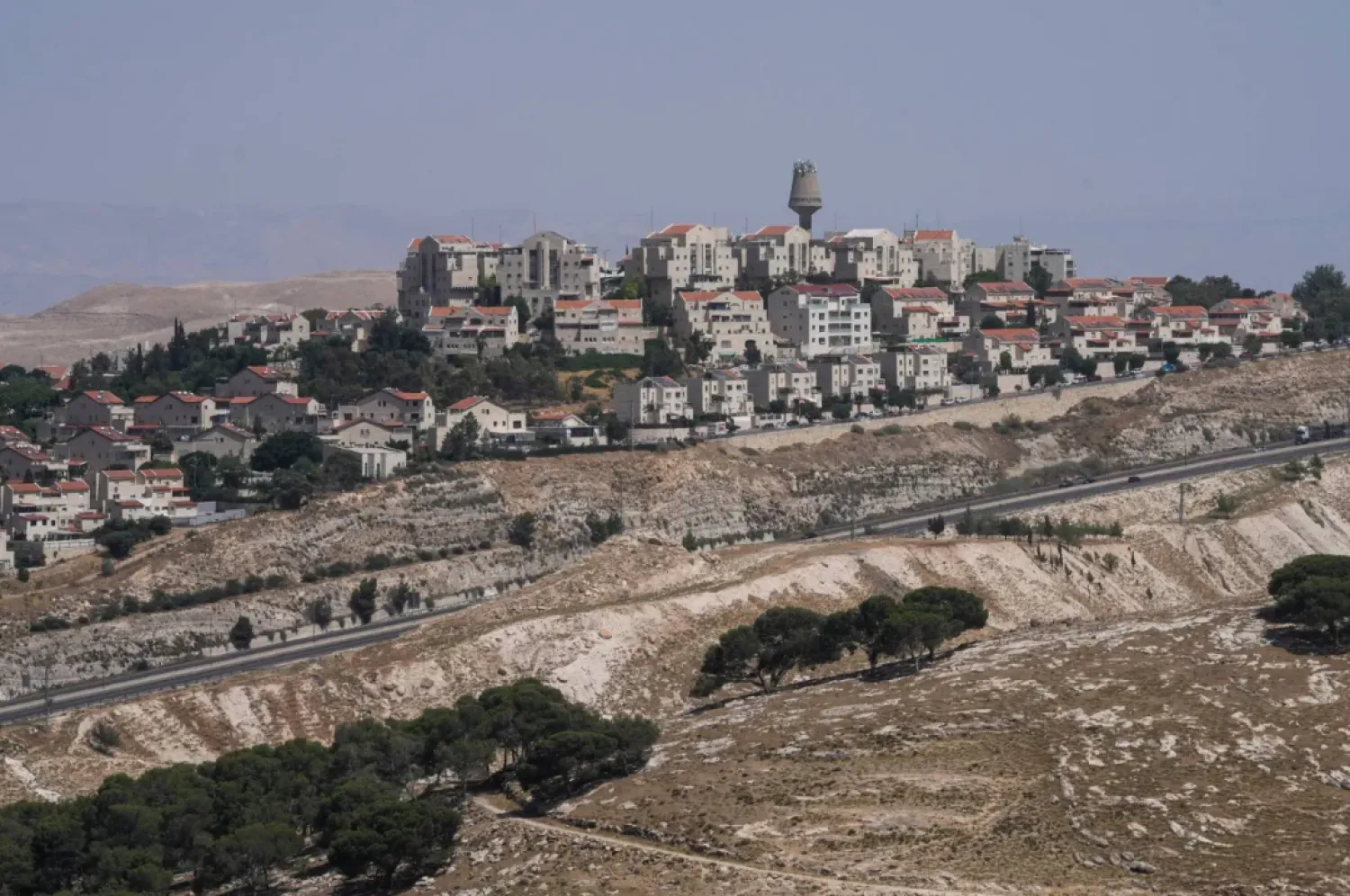
Israeli Forces Capture Prominent Sunni Islamist Official in Southern Lebanon
In a high-profile raid on Monday morning, Israeli forces captured Atwi Atwi, a prominent Sunni Islamist official and ally of Hamas. The operation has sent shockwaves through the region, highlighting ongoing tensions between Israel and its Arab neighbors.
The capture of Atwi Atwi marks a significant escalation in the complex and volatile dynamics between Israel and southern Lebanon, a region that has long been a hotbed of Islamist militancy. The Sunni Islamist group al-Jamaa al-Islamiya, to which Atwi Atwi is affiliated, has historically maintained close ties with Hamas, a Palestinian militant organization designated as a terrorist entity by several countries.
The operation also underscores the deepening divisions between Israel and its Arab neighbors, particularly Lebanon, where Hezbollah, a Shia Islamist militia backed by Iran, has maintained a significant military presence. The raid comes as tensions in the region remain high, following a recent spike in cross-border violence between Israel and Hamas militants in Gaza.
Historically, southern Lebanon has been a key flashpoint in the Israeli-Arab conflict, with the country's mountains serving as a conduit for Islamist militancy into Israel. The region's strategic importance was highlighted during the 2006 Lebanon War, which saw Hezbollah launch thousands of rockets into Israeli territory, prompting a major Israeli military response.
In recent years, however, the situation has become increasingly complex, with Hezbollah and other militant groups exploiting the Syrian civil war to expand their influence in southern Lebanon. The Israeli military has responded by launching targeted operations against suspected militants, including drone strikes and ground incursions into Lebanese territory.
The capture of Atwi Atwi serves as a stark reminder of the ongoing challenges Israel faces in combating Islamist militancy along its borders. The operation highlights the need for a comprehensive understanding of the local context, one that takes into account the intricate web of alliances and rivalries between various Islamist groups in southern Lebanon.
The connection between al-Jamaa al-Islamiya and Hamas has been a subject of interest among Israeli intelligence agencies. In 2018, Israel reportedly uncovered a network of operatives from both groups, who were working together to coordinate attacks along the Gaza-Israel border. The operation, known as "Operation Northern Shield," saw Israeli forces launch a major incursion into southern Lebanon to dismantle a tunnel network allegedly constructed by Hamas and al-Jamaa al-Islamiya.
However, not all Islamist groups in southern Lebanon are aligned with Hamas or al-Jamaa al-Islamiya. Hezbollah, the Shia Islamist militia backed by Iran, maintains a significant military presence in the region, despite having distinct ideological differences with its Sunni counterparts. The relationship between Hezbollah and Hamas is complex, with both groups sharing a mutual distrust of Israel but also cooperating on occasion to counter common enemies.
The 2006 Lebanon War highlighted the strategic importance of southern Lebanon, with Hezbollah launching thousands of rockets into Israeli territory, prompting a major Israeli military response. Since then, the region has witnessed numerous clashes between Israeli forces and militant groups, including al-Jamaa al-Islamiya and Hamas.
In recent years, the situation has become increasingly complex, with Hezbollah and other militant groups exploiting the Syrian civil war to expand their influence in southern Lebanon. The Israeli military has responded by launching targeted operations against suspected militants, including drone strikes and ground incursions into Lebanese territory.
The capture of Atwi Atwi by Israeli forces marks a significant escalation in the region's volatile dynamics. To address these challenges, Israel must develop a comprehensive strategy that takes into account the complex relationships between groups like al-Jamaa al-Islamiya, Hamas, and Hezbollah. This will require engagement with extremist groups, as well as a commitment to addressing the root causes of Islamist militancy along Israel's borders.
The Israeli-Palestinian conflict reflects a broader global trend of rising nationalism and anti-Western sentiment in the Middle East. This sentiment has been fueled by various factors, including the ongoing Syrian civil war, the rise of extremist groups, and the decline of traditional regional powers.
To address these challenges, Israel must consider the broader regional implications of its actions in southern Lebanon. The operation highlights the need for a nuanced understanding of the local context, one that takes into account the intricate web of alliances and rivalries between various Islamist groups in the region.
Ultimately, finding a solution to the Israeli-Palestinian conflict will require a willingness to engage with extremist groups like Hamas and Hezbollah, as well as a commitment to addressing the root causes of Islamist militancy along Israel's borders. This will involve complex negotiations, economic development initiatives, and a deep understanding of the regional dynamics at play.
The capture of Atwi Atwi by Israeli forces marks a significant escalation in the region's volatile dynamics. As Israel seeks to address the root causes of Islamist militancy along its borders, it must be mindful of the complex relationships between groups like al-Jamaa al-Islamiya, Hamas, and Hezbollah. By understanding these nuances, Israel can develop effective strategies to counter the growing threat of Islamist militancy in southern Lebanon and beyond.