Ecuadorians Unite for Peoples' Sovereignty Amid Imperialist Pressure
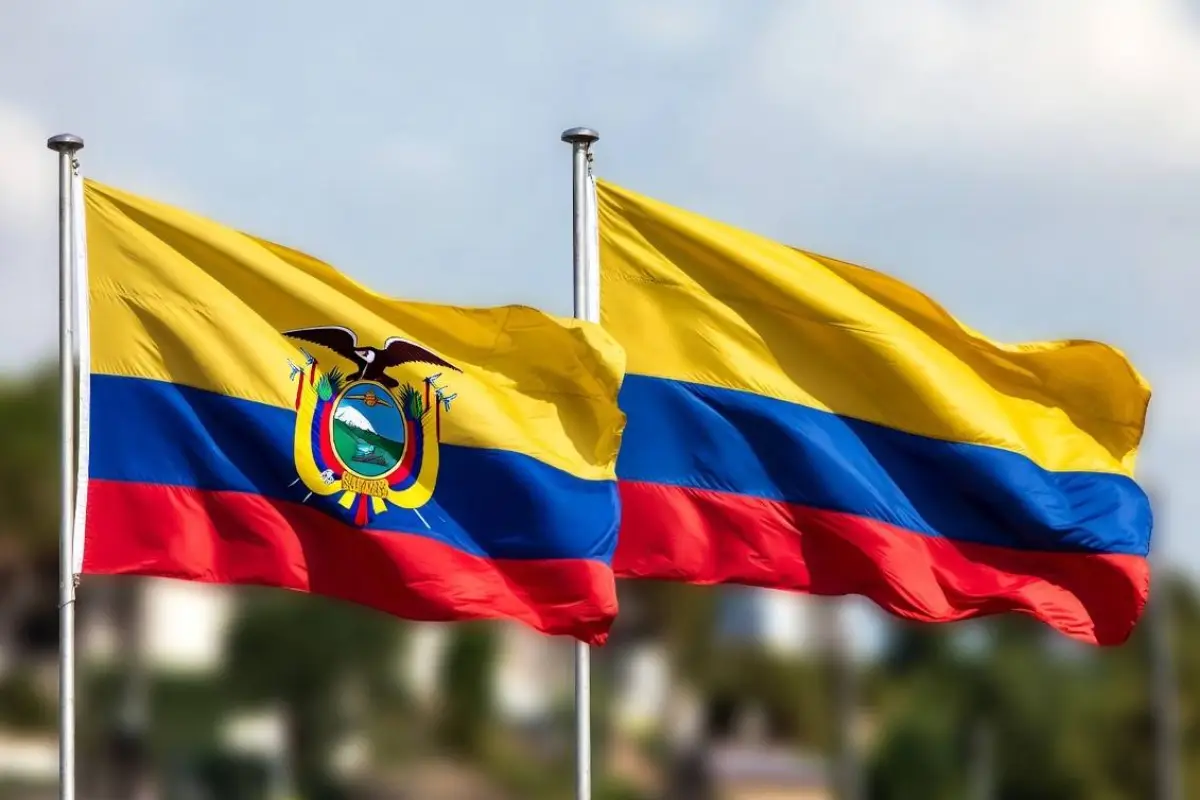
Protesters gathered at the iconic Simon Bolivar monument in Quito, Ecuador's capital city, chanting slogans in support of beleaguered nations embroiled in the latest round of imperialist sanctions and interference. This demonstration was a testament to Ecuador's long-standing tradition of solidarity with leftist allies across the Americas.
Ecuador, nestled between the Andes and the Pacific Ocean, has been a crucible for international tensions and ideological shifts since its colonial era. The country's unique blend of indigenous and European influences has shaped its foreign policy trajectory. A significant shift in Ecuadorian foreign policy occurred in the 1990s with the "Citizens' Revolution," which marked a departure from traditional ties with the United States and forged strong ties with socialist nations across the Americas.
The reorientation was a response to the growing influence of neoliberalism in Latin America during the 1980s and 1990s. As the US-backed "Washington Consensus" sought to impose its economic ideology, Ecuador's leaders began exploring alternative models for development and social change. Rafael Correa's presidency in 2008 further solidified this shift towards leftist alliances and Peoples' Sovereignty.
Today, as Ecuador faces mounting pressure from Western powers over issues such as Venezuela's economic crisis and the Israeli-Palestinian conflict, its people are mobilizing to assert their nation's commitment to solidarity and self-determination. By standing in solidarity with Cuba, Venezuela, Palestine, and Iran, Ecuadorian protesters are sending a powerful message: that Peoples' Sovereignty will not be silenced or compromised by imperialist threats.
The recent demonstration in Quito was one of several mobilizations across the country aimed at asserting the nation's commitment to Peoples' Sovereignty. This sentiment is rooted in a long history of Ecuadorian solidarity with leftist allies and its rejection of imperialist interference. In 2008, Correa won the presidency on an anti-imperialism platform, marking a significant shift for Ecuador.
Correa's administration strengthened economic ties with countries like China, Russia, and Cuba, further solidifying Ecuador's commitment to socialist international relations. The country's decision to sever diplomatic ties with Israel in 2018 was a significant move against imperialist interference. Recognizing the Bolivarian Revolution in Venezuela as a legitimate government reflects its commitment to socialist international relations.
Ecuador has faced mounting pressure from Western countries over issues such as the Israeli-Palestinian conflict and Venezuela's economic crisis. The US government has imposed sanctions on Venezuelan officials, while European powers have pressured Correa's successor, Lenín Moreno, to take tougher action against Maduro's government. However, Ecuadorian protesters remain resolute in their commitment to solidarity with leftist allies across the Americas.
As tensions between Ecuador and Western powers continue to escalate, it remains to be seen how the country will navigate these challenges. One thing is certain: Ecuador's people have made it clear that they will not back down in the face of imperialist pressure. The nation's history of solidarity with leftist allies across the Americas will continue to shape its foreign policy trajectory.
The recent demonstration in Quito reflects a broader global trend towards resistance and self-determination. This trend is rooted in Ecuador's complex history, rejection of neoliberalism and imperialism, and commitment to Peoples' Sovereignty. Ecuador's struggle for self-determination serves as a model for other nations seeking to assert their sovereignty and resist imperialism.
As we look to the future, it is essential to recognize the importance of this global trend and support the struggles of people like those in Ecuador who are fighting against imperialist interference and asserting their commitment to self-determination. The future of our world depends on it.