Deadly Drone Strikes in Sudan's Kordofan Spark Global Concerns Over Counter-Terrorism Efforts
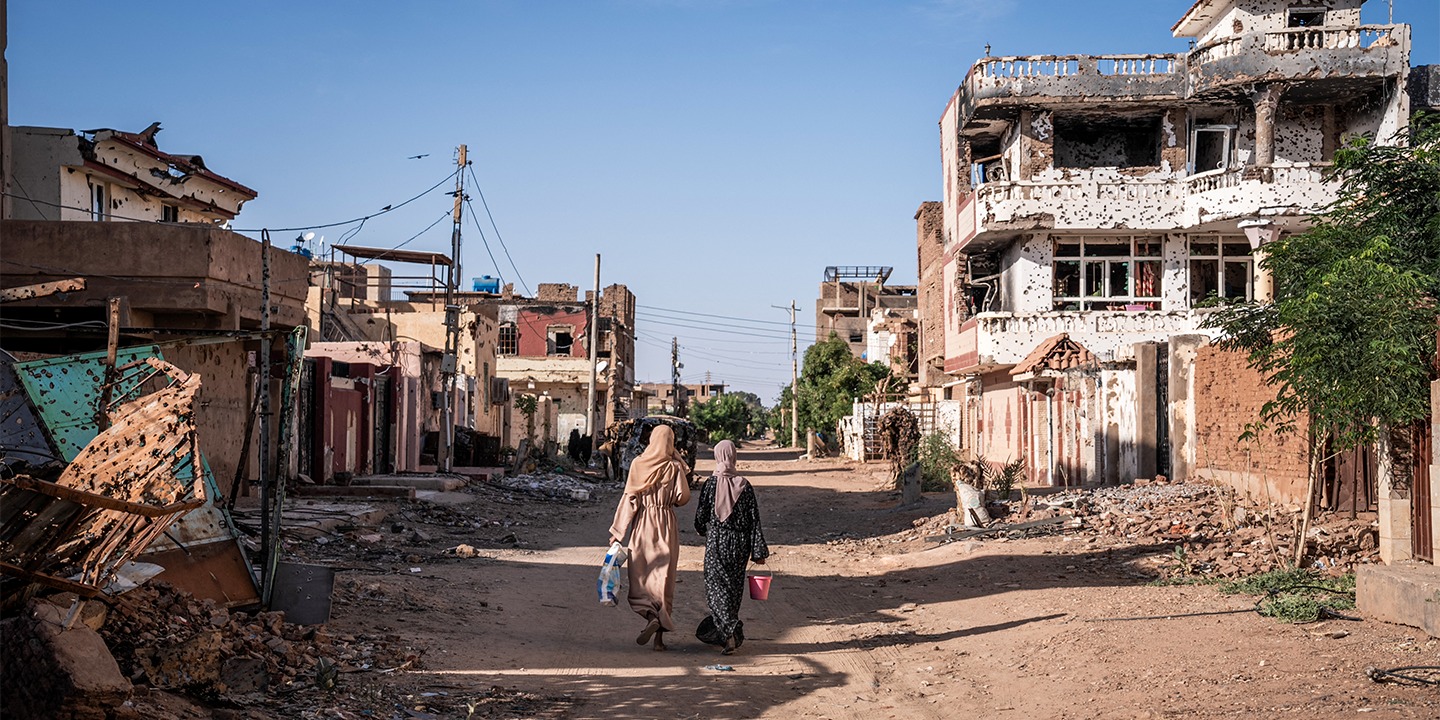
The deadly wave of violence that hit Kordofan, Sudan, last month is a stark reminder of the escalating consequences of drone warfare and counter-terrorism efforts in Africa. As international scrutiny intensifies over Khartoum's militarized strategy, it is essential to examine the local context and explore the root causes of this ongoing violence.
Sudan has long been a volatile hotspot of geopolitics, with the Kordofan region serving as a strategic crossroads between North and Central Sudan. Since the ouster of President Omar al-Bashir in 2019, Khartoum's government has faced mounting pressure to address its complex web of internal and external conflicts.
The expanding use of drone warfare has emerged as a contentious issue, with analysts pointing to Sudan's historical ties to US-led counter-terrorism efforts in the region. The country's participation in the African Union Military Mission to Somalia (AMISOM) and the United States' Africa Command have fostered close military partnerships, which some argue has emboldened Khartoum's pursuit of more aggressive counter-insurgency tactics.
The escalating use of drone warfare in Sudan's Kordofan region has sparked concern among regional experts, who warn that the growing reliance on these technologies could exacerbate existing tensions and fuel further instability. As international pressure mounts to clarify Khartoum's military strategy, questions linger about whether the benefits of drone warfare can outweigh the risks to civilians and local populations.
The Kordofan region has long been a hotbed of conflict in Sudan, with various factions vying for control over the fertile land and resources. The area has been ravaged by decades of civil war, with rebel groups and militant organizations taking advantage of the power vacuum to launch attacks against government forces. Since the ouster of President Omar al-Bashir in 2019, the region has seen a surge in violence, with rebel groups and militant organizations using advanced technologies such as drones to carry out attacks.
The role of drone warfare in Sudan's counter-terrorism efforts has been a contentious issue, with analysts pointing to the country's historical ties to US-led efforts in the region. In 2019, Sudan became the first African nation to be approved for a US drone strike program, which has since been used to target rebel groups in Kordofan and other parts of the country.
However, critics argue that this partnership has emboldened Khartoum's pursuit of more aggressive counter-insurgency tactics, including the use of drone strikes against militant groups. A 2020 report by the Bureau Investigative Journalism (BIJ) highlighted the role of drone strikes in Sudan's counter-terrorism efforts, citing data from US Africa Command and Sudanese government sources.
The recent deadly attacks in Kordofan, Sudan, reflect broader global trends in drone warfare and counter-terrorism efforts. The use of drones has become increasingly popular among African countries, particularly those with experience in fighting insurgencies against terrorist groups. However, this trend also raises concerns about civilian casualties and human rights abuses.
To address these concerns, it is essential to promote greater regional cooperation and governance to combat terrorism and insurgency in Africa. This can be achieved through a combination of diplomatic efforts, economic support, and military cooperation, which can help to build trust and stability across the region. Ultimately, this requires a more comprehensive approach that prioritizes the protection of civilians and promotes long-term peace in Sudan and beyond.
The situation in Kordofan, Sudan, serves as a reminder of the need for caution and restraint in the use of drone strikes and other military technologies. By prioritizing human rights and international law, we can work towards creating a more just and peaceful world for all nations and peoples.