Chaos in Guatemala: Gangs Wreak Havoc Amid Hostage Crisis and Police Attacks
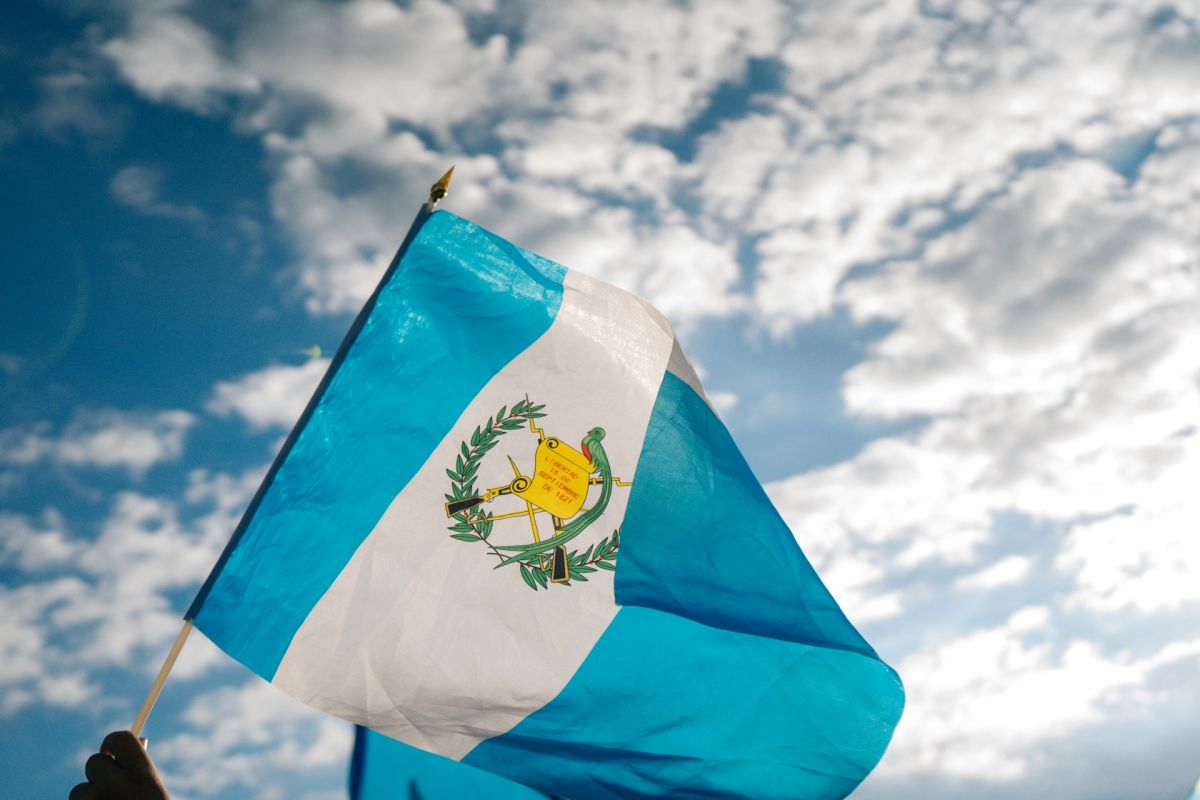
Guatemala descended into chaos yesterday as prison riots sparked a hostage crisis, leaving dozens dead or injured in violent attacks on police forces. President Bernardo Arévalo's swift action has raised questions about the limits of executive power and the nation's ongoing struggle with organized crime.
The country once hailed as a beacon of stability in Central America has long been plagued by gang violence. Notorious gangs like MS-13 and Barrio 18 have fueled an alarming increase in homicides, kidnappings, and extortion. President Arévalo must confront the nation's deep-seated security crisis, as Guatemala bears a critical role in regional geopolitics.
A recent survey found that nearly 60% of respondents aged 15-24 saw no opportunity to improve their socio-economic situation through education or employment. This sentiment has been echoed in protests and demonstrations, which often feature demands for greater economic equality and justice. The current gang war is linked to this broader narrative of lawlessness and state weakness.
President Arévalo's decision to declare a 30-day state of emergency has sparked controversy, with critics arguing that it represents a heavy-handed response to a crisis that requires more nuanced solutions. The situation on the ground continues to deteriorate, with schools closed nationwide, traffic lightened, and the U.S. Embassy issuing cautious warnings.
Guatemala's struggle with organized crime and executive power is not unique to Guatemala, but rather reflective of a larger trend in Latin America. Organized crime groups are increasingly exploiting weaknesses in the justice system across the Americas, using tactics such as extortion, kidnapping, and human trafficking to maintain their grip on power.
The rise of gang violence in Guatemala is also linked to a broader global trend of youth disillusionment and frustration with institutions. Protests and demonstrations have erupted across Latin America, from Mexico to Brazil, as young people demand greater economic equality and justice. Guatemala's security forces have been implicated in human rights abuses and corruption, further eroding trust in institutions.
The country's location makes it a critical hub for illicit trafficking networks, and its porous borders have contributed to the spread of organized crime across the region. As Guatemala continues to grapple with its security crisis, it is essential to consider a range of solutions that address the root causes of gang violence and organized crime.
These may include strengthening institutions, addressing poverty and inequality through targeted economic initiatives, building trust between law enforcement and local communities, and international cooperation to combat transnational organized crime. Ultimately, Guatemala's situation highlights the need for a nuanced approach that balances security concerns with individual rights and social justice. By recognizing the interconnected nature of regional stability and security, and working towards more effective solutions, it is possible to build a safer, more just future for Guatemalans and their neighbors.